
Solar panels for farms
A smarter way to power your property.
We design and install solar systems for farms, barns, agricultural buildings and rural business properties across Ohio, Kentucky and South Carolina. Our employee-owned team looks at electricity usage, seasonal load patterns, available roof and land, meter setup, utility requirements, financing options and long-term operating goals before developing a recommendation. Whether the system is installed on a barn, agricultural building or ground-mounted elsewhere on the property, the design is built around how your farm actually uses energy.
Why farms consider solar
Farms can have substantial electricity needs tied to both daily operations and seasonal activity. Lighting, ventilation, irrigation, refrigeration, pumps, workshops, livestock systems, processing equipment and cold storage all influence when and how much electricity a farm uses.
Commercial solar gives agricultural property owners a way to generate electricity on-site, reduce reliance on utility-purchased power and strengthen long-term energy-cost planning. The right system reflects the farm’s actual load profile, available roof or land, utility rules, financing structure and long-term operating plans.
Operating-cost planning
Electricity is a significant ongoing expense for many farms with barns, workshops, refrigeration, irrigation, pumps or other energy-intensive equipment. Solar generates power on-site, reducing the amount of electricity the operation needs to purchase from the grid when production aligns with farm demand.
Long-term utility-cost planning
Solar reduces reliance on utility-purchased electricity and gives farm owners another tool for managing long-term energy costs as utility rates change over time.
Tax credits and capital planning
Farm owners can evaluate commercial solar alongside available federal tax credits, depreciation and other incentive opportunities as part of a broader capital-improvement strategy.
Flexible installation options
Agricultural properties often provide several locations for solar, including barn roofs, equipment buildings, workshops and open land. The best installation area is determined by roof condition, shading, available ground space, utility access, equipment movement, meter setup and day-to-day farm operations.
Is your farm a good fit for solar?
Every farm has a different combination of electricity usage, buildings, land, equipment and seasonal operating patterns. Barn condition, available land, shading, meter setup, seasonal demand and utility requirements all shape the right solar design.
A property-specific assessment identifies how the farm uses electricity, which installation areas are practical and how the system can fit into daily agricultural operations without creating unnecessary conflicts.
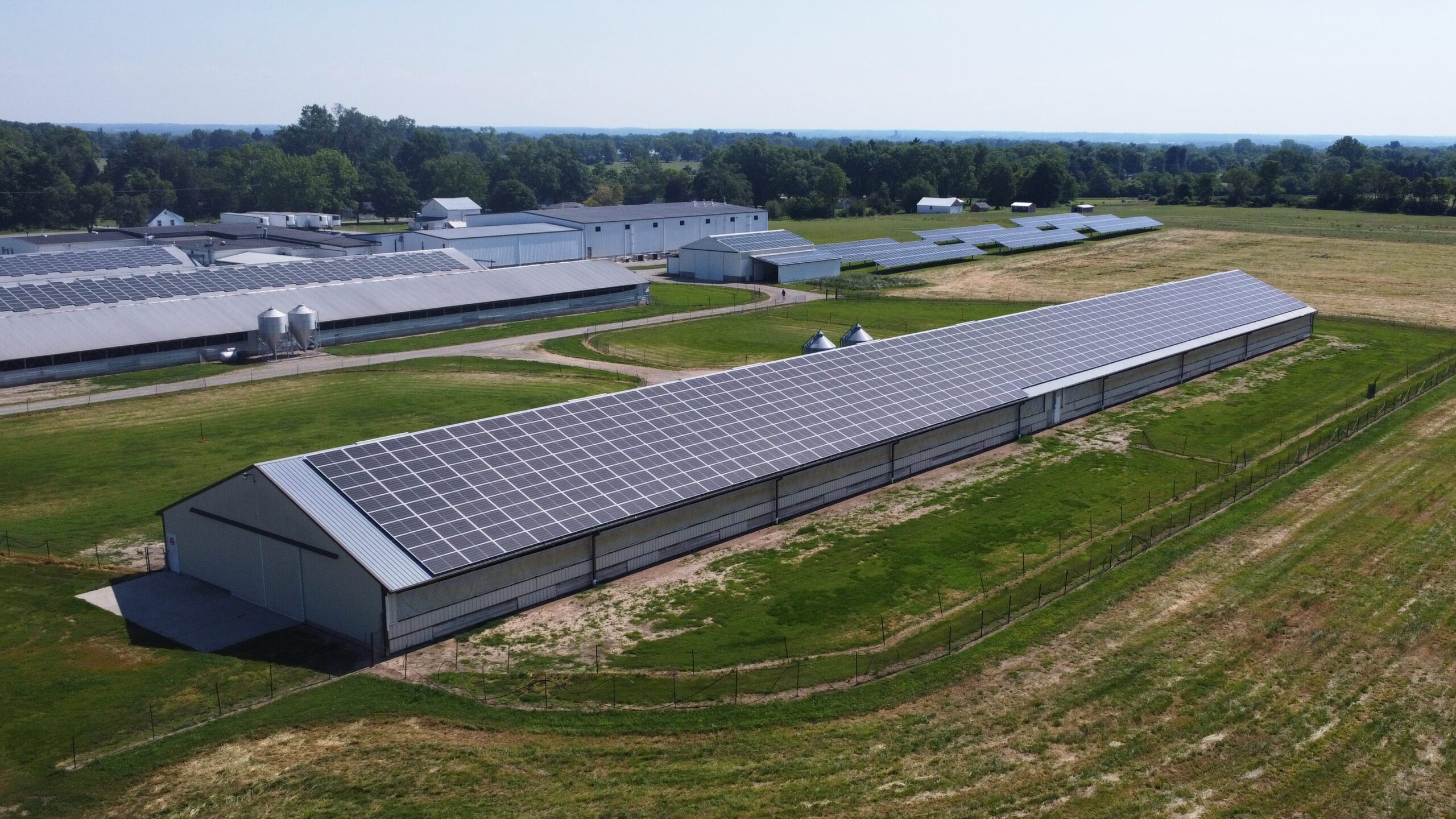
Barns, roofs, and agricultural buildings
Barns, equipment sheds, workshops, storage buildings and other agricultural structures can provide substantial space for solar panels when the roof and structure are suitable. The site assessment covers roof age, condition, orientation, usable area, shading and access before a rooftop system is designed. When a building roof is not the right fit, other areas of the property can be evaluated for solar installation.
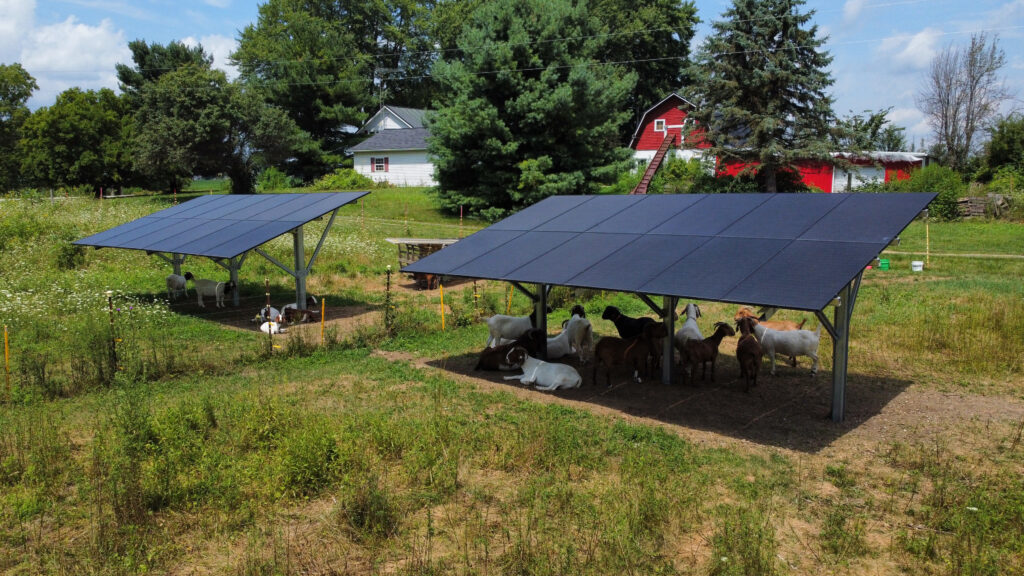
Ground-mount solar for farms
Ground-mounted solar provides another option for farms with suitable open land. A ground-mount design accounts for array placement, soil and site conditions, equipment access, fencing, utility proximity and the movement of tractors, livestock and other farm equipment. The goal is to place the system where it supports energy production without interfering with agricultural operations.
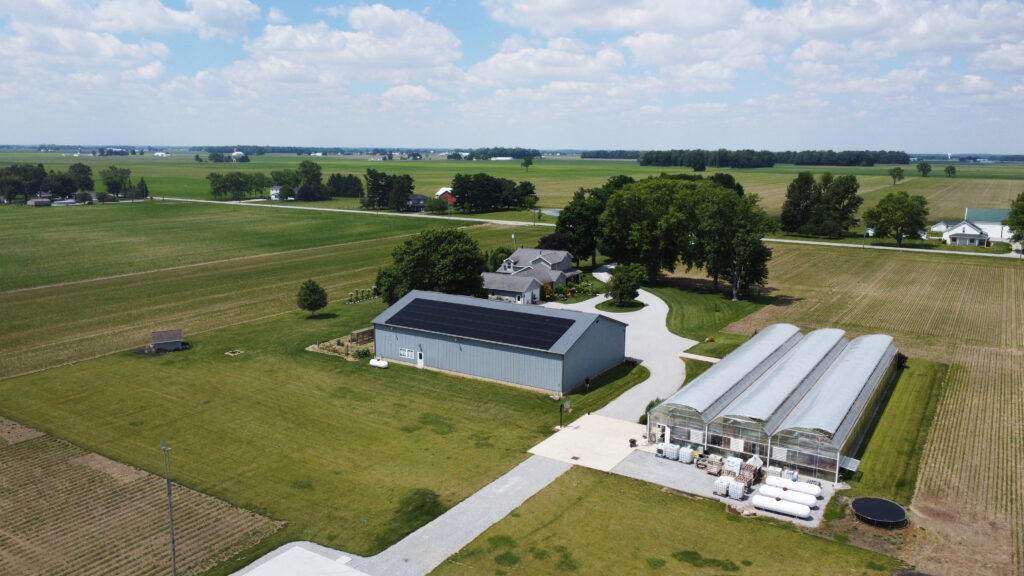
Seasonal load patterns
Farm electricity usage often changes throughout the year. Irrigation, refrigeration, ventilation, grain handling, livestock systems, pumps, processing equipment and cold storage can create seasonal or operational peaks. Utility data and usage patterns show when those loads occur and help align system design with the way the farm actually consumes electricity.
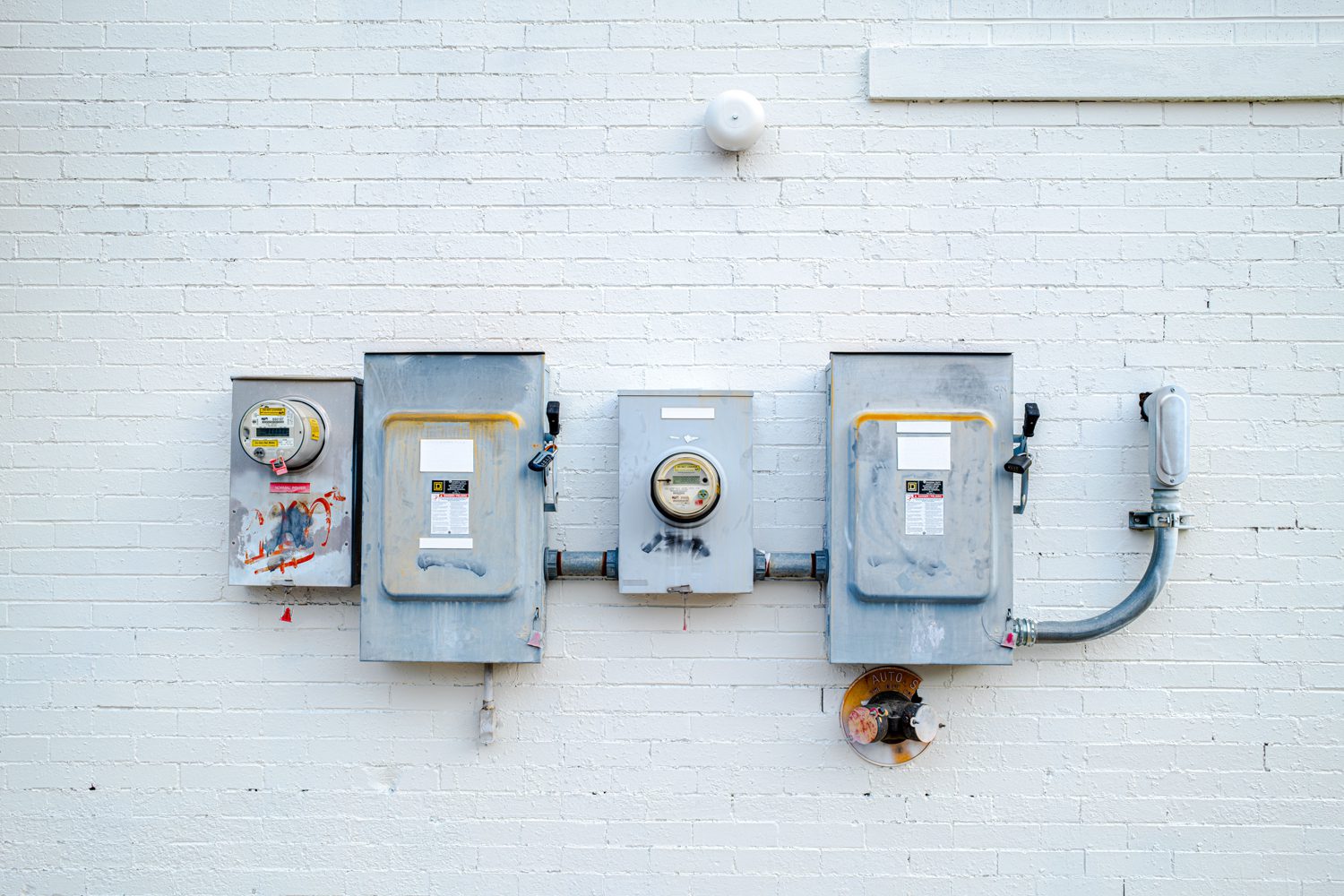
Meters and utility service
Some farms have multiple buildings, meters or utility accounts serving different parts of the property. Understanding those relationships early helps determine where the solar system connects, which loads it serves and how production relates to the farm’s overall electricity usage
Farms are strong candidates for solar when they have:
Meaningful electricity usage
Suitable barn, roof or ground area
Limited shading or manageable obstructions
A roof in suitable condition or appropriate open land
A clear utility and meter structure
Available seasonal electricity-usage information
Adequate access for installation crews and equipment
A viable utility interconnection path
Long-term property ownership and operating plans
A defined budget or financing timeline
How we design solar systems for farms
A farm solar system should be designed around the way the property actually operates. Electricity usage can vary by season, building, equipment and time of day, so the design process begins with a clear understanding of the farm’s energy profile and physical layout.
Utility usage, barns, roofs, available land, meter setup, agricultural loads and utility requirements all factor into a property-specific system rather than a one-size-fits-all package.
Utility bill review
Available utility bills and account information establish how much electricity the farm uses throughout the year and how that usage changes from season to season. This creates a baseline for system planning and identifies the loads that matter most to the project.
Seasonal load analysis
Farm electricity use can shift with irrigation, ventilation, refrigeration, livestock operations, grain handling, processing and other seasonal activities. Analyzing those patterns helps the solar design account for both everyday consumption and periods of higher energy demand.
Roof, barn, and land assessment
Barns, equipment buildings, workshops and open land provide different installation opportunities. The site assessment considers roof condition, usable area, shading, orientation, access, ground conditions, equipment movement and proximity to utility service before the installation area is selected.
Custom system design
Each system is designed around the farm’s electricity usage, site conditions, utility requirements and long-term operating goals. System size, panel placement, inverter configuration and battery-storage options are matched to the specific property and project.
Equipment selection
Depending on project requirements and current availability, equipment recommendations include Qcells, REC or Silfab solar panels; Enphase microinverters; SMA or SolarEdge inverters; and Enphase or Tesla battery options where appropriate. Final equipment selections are based on system design, site conditions, utility requirements, availability and customer goals.
Permitting, interconnection, and installation
Gold Path Solar coordinates required permits, utility interconnection paperwork, in-house installation, inspection support, activation and monitoring setup for eligible systems.
Financing, tax credits, and solar incentives for farms
Commercial solar is both an energy project and a long-term capital investment. Farm owners can compare the project with current electricity expenses, future utility-rate exposure, financing options and available tax or incentive opportunities.
System size, electricity usage, installation location, utility requirements and financing structure all shape the financial picture. Project information can also support conversations with lenders, accountants and tax professionals as part of the farm’s broader capital planning.
Tax, legal and financial disclaimer
Gold Path Solar does not provide tax, legal or financial advice. Tax-credit eligibility, depreciation treatment, incentive availability, financing terms and project economics depend on current regulations, project details and customer circumstances. Farm owners should review tax and incentive questions with qualified tax, legal and financial professionals before making investment decisions.
Farm solar installation process
A farm solar project requires coordination between the property owner, design team, permitting authority, utility and installation crew. Agricultural properties can include multiple buildings, meters, seasonal loads and installation areas, so the process begins with a clear understanding of how the farm operates. Gold Path Solar guides farm owners through each stage from the initial consultation through utility approval, installation and system activation.
Why farm owners choose Gold Path Solar
Farm solar requires more than choosing a location for panels. Agricultural properties can include barns, workshops, open land, multiple meters, seasonal energy demand and operating constraints that all influence system planning.
Gold Path Solar brings more than 40 years of combined solar experience to qualifying residential and commercial projects. As an employee-owned company with in-house installation crews, the team manages the process from early planning through design, permitting, utility coordination, installation and activation.
Get a quote over the phone
Property-specific designs
No two agricultural properties operate exactly the same way. Each project is evaluated around electricity usage, seasonal load patterns, available roof or land, meter configuration, utility requirements and long-term farm goals so the system reflects the way the property actually operates.
Roof and ground mount planning
Farms often provide several installation options, including barns, equipment buildings, workshops and open land. Site conditions, shading, access, utility proximity and agricultural operations determine which location best supports the project.
In-house installation crews
In-house installation crews help keep accountability connected to the same organization managing the project from design through activation. That continuity is especially valuable on agricultural properties where installation must account for equipment access, livestock areas, working buildings and other day-to-day farm activities.
25-year product warranty
Eligible Gold Path Solar installations are backed by a 25-year product warranty, subject to the applicable written terms. That warranty provides long-term product accountability for farm owners investing in their property.
Frequently asked questions
Request a solar quote for your farm
Gold Path Solar can help you determine how solar fits your farm, electricity usage, seasonal load patterns, available roof or land, utility requirements and long-term operating goals. Start with a property-specific review from an employee-owned solar installer with in-house crews and more than 40 years of combined solar experience.
Our team will walk you through site conditions, system design, financing considerations, installation requirements and next steps with a plan built around your agricultural operation. Whether you are considering solar for a barn, agricultural building, workshop or ground-mounted area, the process begins with understanding how your farm uses electricity and where solar fits best on the property. Eligible Gold Path Solar installations are backed by a 25-year product warranty, subject to the applicable written terms.