
Solar panels for churches and nonprofits
A smarter way to power your property.
Gold Path Solar designs and installs solar systems for churches, nonprofits, community organizations and mission-driven facilities across Ohio, Kentucky and South Carolina. Our employee-owned team looks at electricity usage, roof or land availability, meter setup, utility requirements, financing options, direct-pay considerations and long-term facility goals before developing a recommendation. Whether you manage a church, private or nonprofit school, community center or nonprofit campus, the system is planned around your organization’s budget, stewardship priorities and decision-making process.
Why churches and nonprofits consider solar
Churches and nonprofit organizations often manage facilities that serve their communities for decades. Electricity used for worship services, offices, classrooms, kitchens, gyms, fellowship halls, lighting, HVAC and outreach programs can become a significant operating expense over time.
Solar gives organizations a way to generate electricity on-site, reduce reliance on utility-purchased power and strengthen long-term facility planning. It also supports sustainability and stewardship goals while providing a visible example of investment in the organization’s property and future.
Project economics are shaped by electricity usage, utility rates, system size, solar production, financing, incentives, direct-pay eligibility and property conditions.
Stewardship and long-term planning
For many churches and nonprofits, facility decisions extend beyond short-term operating costs. Solar can support a long-term stewardship strategy by helping organizations manage energy use, invest in their property and plan for future facility needs.
Long-term utility-cost planning
Solar reduces reliance on utility-purchased electricity and gives organizations another tool for managing long-term energy costs as utility rates change over time. For churches and nonprofits operating within closely managed budgets, greater control over on-site energy production can support more predictable facility planning.
Direct pay and clean energy incentives
Eligible tax-exempt organizations can use elective pay, commonly called direct pay, for certain qualifying federal clean-energy credits. Organizations must meet the requirements of the underlying credit and complete applicable IRS registration and filing steps. The IRS requires pre-filing registration before an elective-pay election is made on the organization’s tax return.
Community leadership
Solar provides a visible example of responsible resource planning and long-term facility investment. That commitment can support conversations with members, donors, boards and community partners who value sustainability, stewardship and thoughtful property management.
Is your church or nonprofit a good fit for solar?
Churches and nonprofit facilities vary widely in electricity usage, building configuration, operating schedules and approval processes. Roof condition, available land, meter setup, facility schedules and organizational requirements all influence the right solar design.
A property-specific assessment identifies how the facility uses electricity, where solar can be installed and what decision-makers need to evaluate the project with confidence.
Roof, land, and building conditions
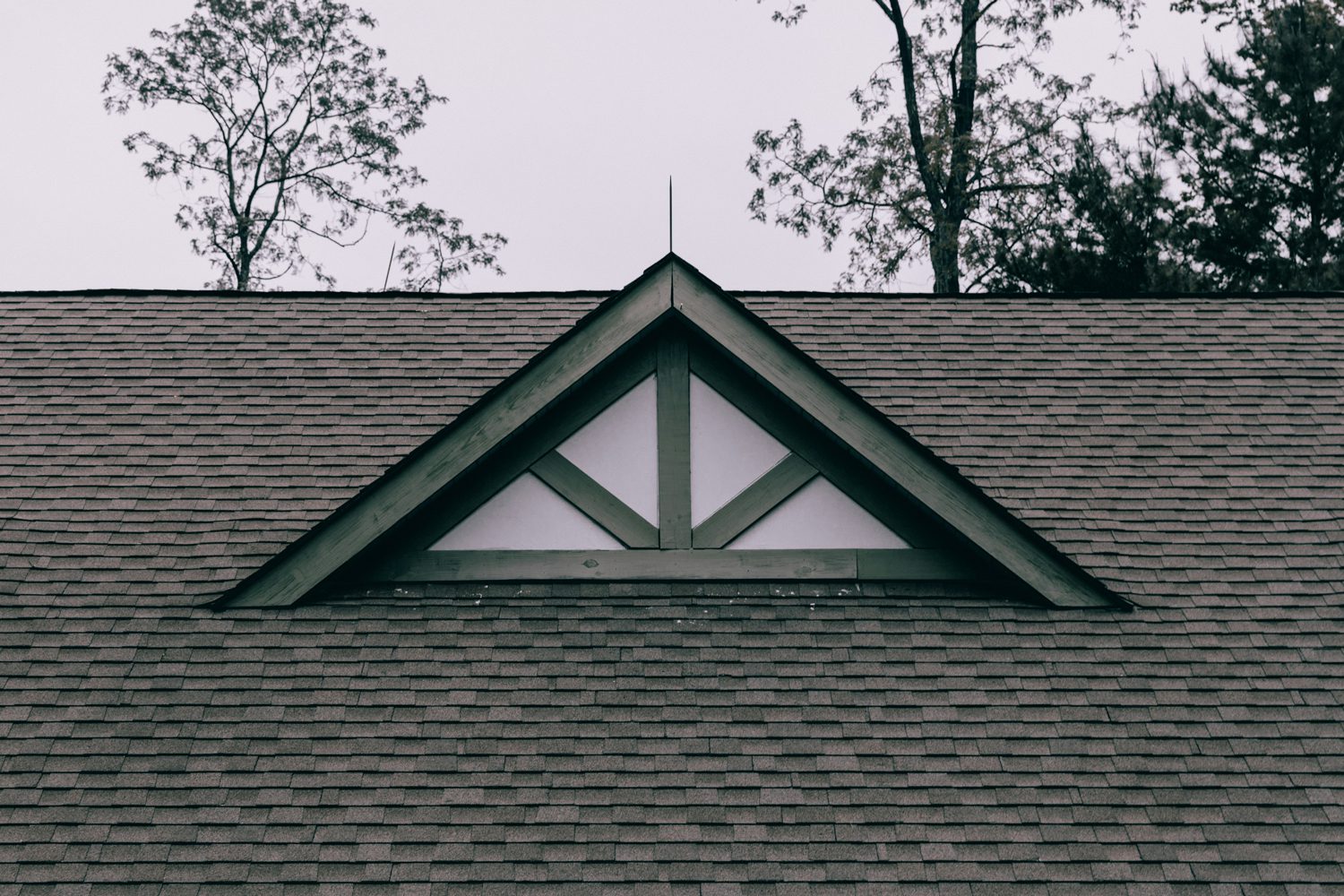
Churches and nonprofits often have several potential installation areas, including sanctuary roofs, private or nonprofit schools, gyms, fellowship halls, community buildings, parking areas and open land. The site assessment covers roof age, condition, usable area, orientation, shading, access and structural considerations before the installation area is selected. Ground-mounted and canopy-style systems provide additional options for properties with suitable land or parking areas.
Electricity usage and facility schedule
Energy use changes according to how often the facility is occupied and what activities take place throughout the week. Worship services, weekday offices, classrooms, kitchens, gyms, fellowship halls, community programs and seasonal events all shape the organization’s load profile. Utility information and usage patterns show when electricity demand occurs and help align system design with the way the facility actually operates.
Meters, campuses, and multiple buildings
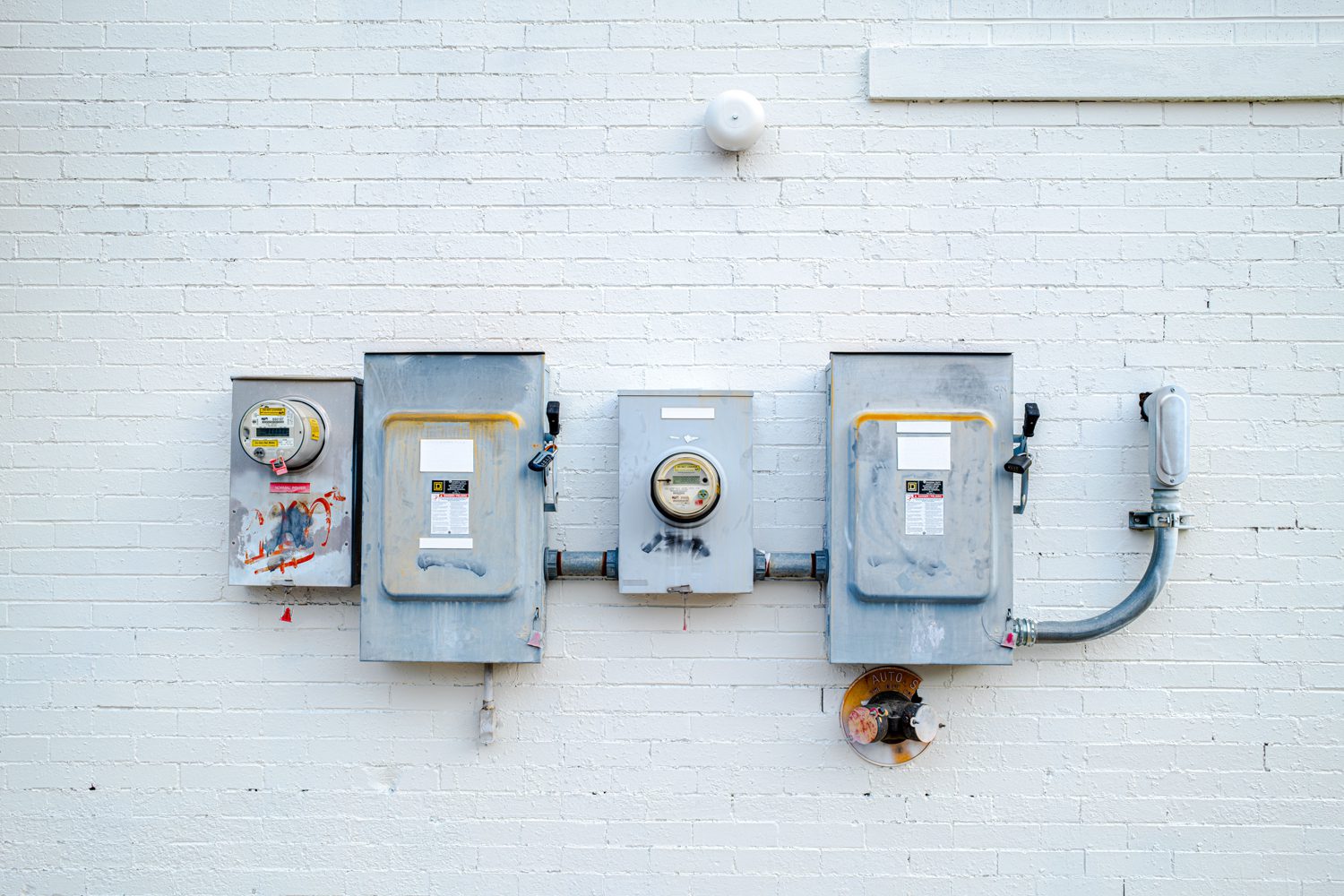
Some churches and nonprofits operate across multiple buildings, meters or utility accounts. A campus can include a sanctuary, private or nonprofit school, office, gym, community center and other facilities with separate electrical service. Understanding those relationships early helps determine system design, interconnection and how solar production relates to electricity usage across the property.
Board, committee, and budget approval
Churches and nonprofits often make capital decisions through boards, finance committees, facilities teams or other leadership groups. A strong solar proposal gives those decision-makers clear information about project scope, system design, financing options, direct-pay considerations, utility requirements and installation timing. That structure helps leadership teams evaluate the project as a long-term facility investment.
Churches and nonprofits are strong candidates for solar when they have:
Meaningful electricity usage
Suitable roof, land, or canopy area
Limited shading or manageable obstructions
A clear meter and utility-service structure
Long-term ownership or control of the facility
A defined approval process for capital projects
A financing or capital-planning timeline
A viable utility interconnection path
Long-term stewardship or sustainability goals
How we design solar systems for churches and nonprofits
A solar system should reflect how the organization actually uses its facility. Electricity demand can vary by building, schedule, program activity and season, so system planning begins with a clear understanding of the property’s energy profile and operating needs.
Utility usage, building conditions, available roof or land, meter setup, facility schedules and utility requirements all factor into a property-specific design rather than a one-size-fits-all system.
Utility bill review
Available utility bills and account information establish how much electricity the organization uses and how consumption changes throughout the year. This creates a baseline for system planning and helps identify the loads that matter most to the project.
Facility and schedule review
Churches and nonprofits often use electricity differently from traditional commercial properties. Worship services, weekday offices, classrooms, kitchens, gyms, fellowship halls, community programs and special events all influence when energy demand occurs. Understanding those schedules helps the solar design reflect the facility’s actual operating pattern.
Roof, land, and meter assessment
Sanctuary roofs, private or nonprofit schools, gyms, community buildings, parking areas, canopies and open land can all provide installation opportunities. The assessment also covers meter locations, building relationships, shading, roof condition, usable area, access and utility service so the project is planned around the property as a whole.
Custom system design
Each system is designed around the organization’s electricity usage, site conditions, utility requirements and long-term facility goals. System size, panel placement, inverter configuration and battery-storage options are matched to the specific property and project.
Equipment selection
Depending on project requirements and current availability, equipment recommendations include Qcells, REC or Silfab solar panels; Enphase microinverters; SMA or SolarEdge inverters; and Enphase or Tesla battery options where appropriate. Final equipment selections are based on project design, building conditions, utility requirements, availability and organization goals.
Permitting and utility interconnection
Church and nonprofit solar projects must meet local permitting requirements and the serving utility’s interconnection standards. Gold Path Solar coordinates required applications, documentation and utility steps as part of the overall project plan.
Installation and monitoring setup
Gold Path Solar uses in-house installation crews for qualifying projects and manages the project through installation, inspection, activation and monitoring setup. Keeping those stages connected provides clear accountability from system design through operation.
Decision support for boards and committees
Boards, finance committees and facilities teams often need organized project information before approving a capital investment. Gold Path Solar provides clear information about system scope, financing considerations, utility requirements, direct-pay questions and implementation steps to support that review.
Financing, direct pay, and solar incentives for churches and nonprofits
Churches and nonprofit organizations often approach solar differently from taxable businesses. Financing structure, organizational approval, available incentives and access to elective pay all influence how the project is evaluated.
Electricity usage, system size, installation location, utility requirements, financing options and incentive considerations shape the financial picture. That information can also support discussions with lenders, accountants, attorneys and tax professionals as part of the organization’s broader capital planning.
Tax, legal and financial disclaimer
Gold Path Solar does not provide tax, legal or financial advice. Tax-credit eligibility, direct-pay treatment, incentive availability, financing terms and project economics depend on current rules, project details and organization circumstances. Churches and nonprofits should review these matters with qualified tax, legal and financial professionals before making investment decisions.
Church and nonprofit solar installation process
A solar project for a church or nonprofit often involves multiple stakeholders, including boards, finance committees, facilities teams, utility representatives and installation crews.
Gold Path Solar guides organizations through each stage with a structured plan, clear project information and consistent coordination from the first conversation through activation.
Why churches and nonprofits choose Gold Path Solar
Church and nonprofit solar projects often involve more than a single building or standard commercial energy profile. Facility schedules, multiple structures, budget priorities, approval processes and long-term stewardship goals all influence system planning.
Gold Path Solar brings more than 40 years of combined solar experience to qualifying residential and commercial projects. As an employee-owned company with in-house installation crews, the team manages the process from early planning through design, permitting, utility coordination, installation and activation.
Get a quote over the phone
Property-specific designs
No two churches or nonprofit facilities operate exactly the same way. Each project is evaluated around electricity usage, building conditions, roof or land availability, meter setup, utility requirements and long-term facility goals so the system reflects how the organization actually uses its property.
In-house installation crews
In-house installation crews help keep accountability connected to the same organization managing the project from design through activation. That continuity is especially valuable when installation must be coordinated around worship services, classes, events and other scheduled activities.
25-year product warranty
Eligible Gold Path Solar installations are backed by a 25-year product warranty, subject to the applicable written terms. That warranty provides long-term product accountability for organizations making a significant investment in their facility.
Frequently asked questions
Request a solar quote for your church or nonprofit
Gold Path Solar can help you determine how solar fits your facility, electricity usage, budget priorities, direct-pay considerations and long-term stewardship goals. Start with a property-specific review from an employee-owned solar installer with in-house crews and more than 40 years of combined solar experience.
Our team will walk you through site conditions, system design, financing considerations, incentive questions, installation requirements and next steps with a plan built around your organization. Whether you are considering solar for a sanctuary, private or nonprofit school, gym, fellowship hall, community center or multi-building campus, the process begins with understanding how your facility uses electricity and where solar fits best on the property. Eligible Gold Path Solar installations are backed by a 25-year workmanship warranty, subject to the applicable written terms.