
Solar panels for warehouses and distribution centers
A smarter way to power your property.
Gold Path Solar designs and installs commercial solar systems for warehouses, distribution centers, logistics facilities and industrial properties across Ohio, Kentucky and South Carolina. Our employee-owned team looks at electricity usage, roof conditions, operating schedules, facility loads, meter setup, utility requirements, financing options and long-term property goals before developing a recommendation. Whether you operate a warehouse, logistics center, cold-storage facility or distribution property, the system is planned around how the facility uses electricity today and how its energy needs are expected to change over time.
Why warehouses and distribution centers consider solar
Warehouses and distribution centers often combine large roof surfaces with substantial electricity demand from lighting, HVAC, refrigeration, conveyors, loading equipment, security systems, offices and daily operations.
Commercial solar gives facility owners and operators a way to generate electricity on-site, reduce reliance on utility-purchased power and strengthen long-term energy-cost planning. It can also support broader corporate energy and sustainability goals.
Large roof opportunity
Warehouses and distribution centers often have expansive flat or low-slope roofs that provide substantial space for solar panels. Roof condition, structural capacity, obstructions, access and utility requirements determine how much of that space can support a solar array.
Operating-cost planning
Lighting, HVAC, refrigeration, conveyors, loading equipment, offices and other operational loads can create significant ongoing electricity costs. Solar generates electricity on-site, reducing the amount of power the facility needs to purchase from the grid when production aligns with demand.
Long-term utility-cost planning
Solar reduces reliance on utility-purchased electricity and gives warehouse owners another tool for managing long-term energy costs as utility rates change over time. For facilities with consistent daytime loads, on-site generation can become an important part of broader facility and capital planning.
Tax credits and capital planning
Warehouse and distribution-center owners can evaluate commercial solar alongside available federal tax credits, depreciation and other incentive opportunities as part of a broader capital-improvement strategy.
Is your warehouse or distribution center a good fit for solar?
Warehouses and distribution centers vary in roof condition, structural capacity, electricity demand, meter configuration, operating schedules and utility service.
A property-specific assessment identifies how the facility uses electricity, how much roof area is suitable for solar and how operating patterns, utility rules and future expansion plans affect the final system design.

Roof size, condition, and structural factors
Large flat and low-slope roofs can provide substantial installation space for solar. The site assessment covers roof age, condition, usable area, structural capacity, membrane considerations, access paths, rooftop equipment and other obstructions before the system design is developed.
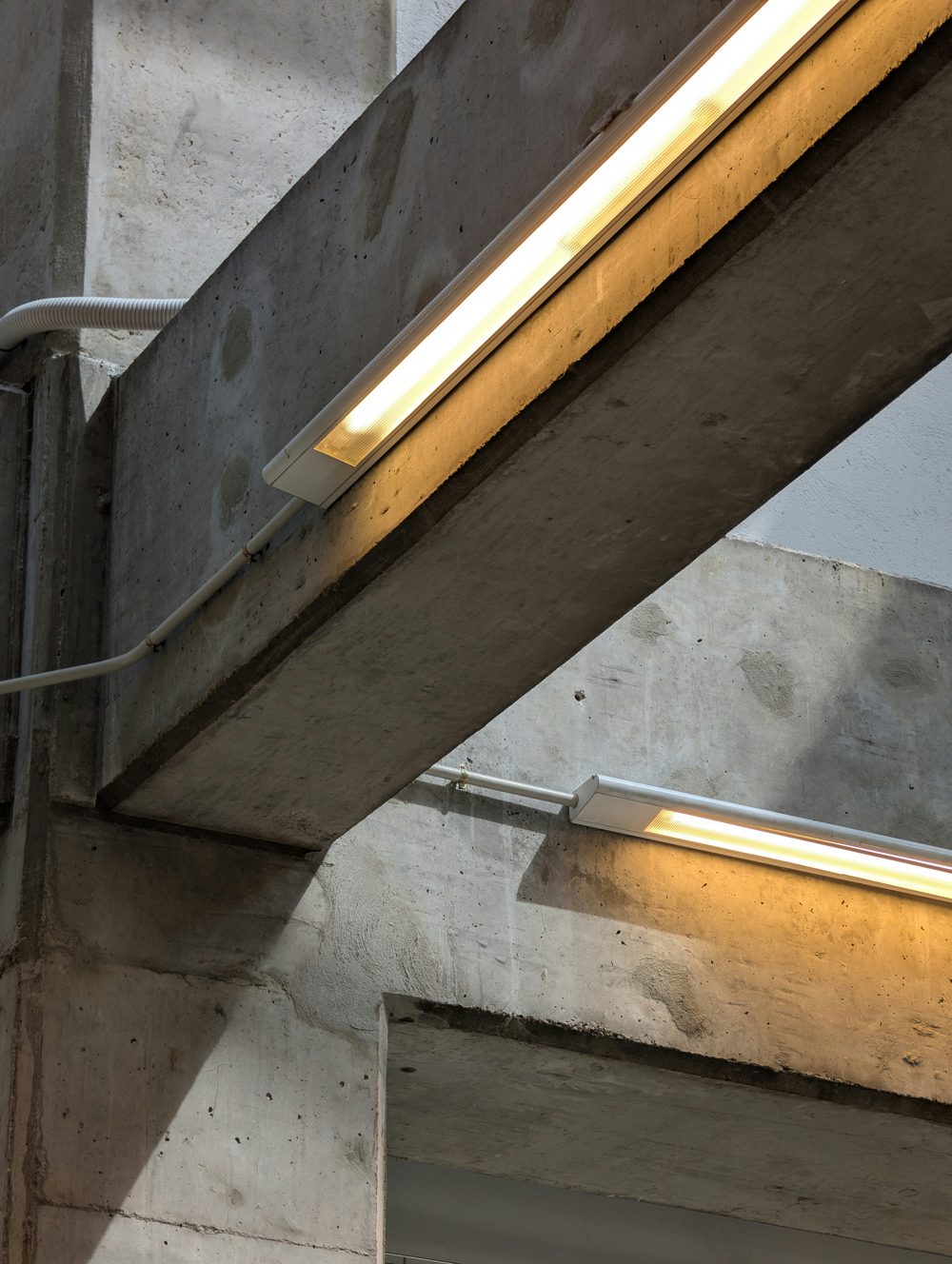
Facility loads and operating schedule
Warehouse and distribution-center load profiles can include lighting, HVAC, refrigeration, conveyors, loading equipment, security systems, offices, shift schedules and seasonal operating patterns. Understanding when and where electricity is used helps align solar production with the facility’s actual operating conditions.
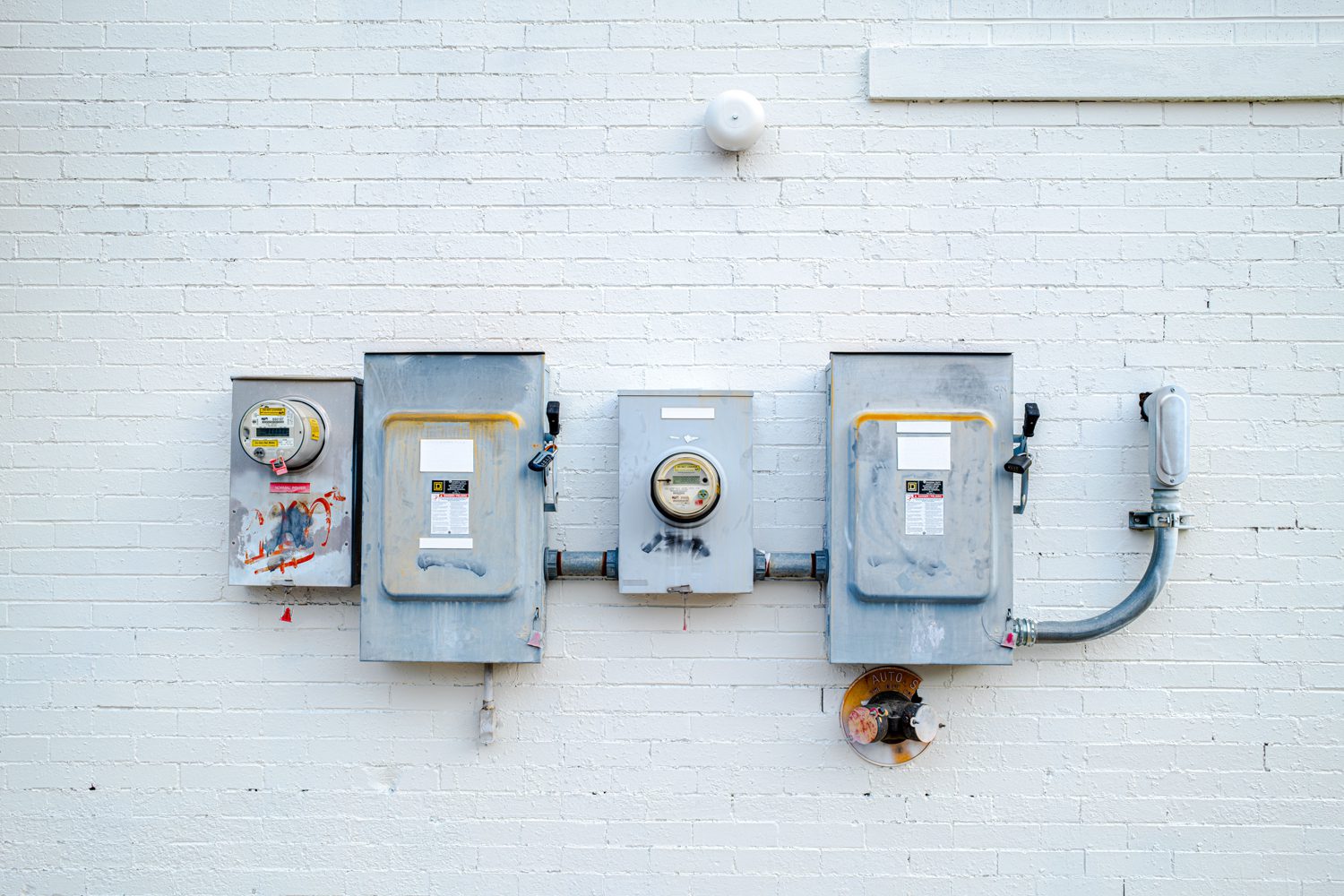
Meters, demand patterns, and utility rates
Meter configuration, utility tariffs, demand patterns and interconnection requirements all influence system design and project economics. Utility bills, meter data and tariff details help identify demand-charge exposure, export-credit treatment, application requirements and other factors that need to be incorporated into project planning.
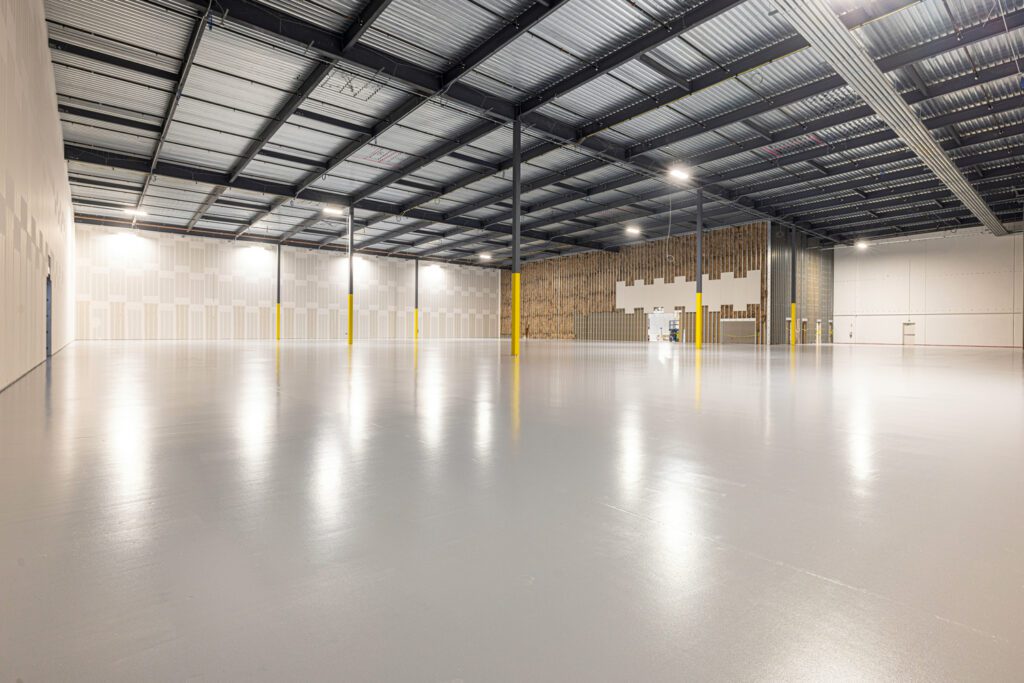
Future growth and facility planning
Facility expansion, equipment additions, cold-storage conversion, forklift charging, fleet charging and additional warehouse space can increase electricity demand over time. Known future loads can be incorporated into system planning so the design reflects both current operations and expected facility growth.
Warehouses are strong candidates for solar when they have:
Large usable roof area
Suitable roof condition
A clear structural-review path
Limited shading or manageable obstructions
Meaningful electricity usage
A clear meter structure
A known operating schedule
A viable utility interconnection path
Defined facility expansion plans
A clear budget or capital-planning timeline
How we design solar systems for warehouses and distribution centers
A warehouse solar system should reflect how the facility actually operates. Electricity usage, operating schedules, roof conditions, meter setup, utility requirements and long-term facility goals all influence the final design.
Gold Path Solar builds each project around the property’s real operational and electrical conditions rather than applying a generic commercial template.
Utility bill review
Available utility bills and account information establish how the facility uses electricity throughout the year. This creates a baseline for system planning and identifies usage patterns that influence system size, production goals and project economics.
Facility load analysis
Warehouses and distribution centers can have significant loads from lighting, HVAC, refrigeration, conveyors, loading equipment, security systems, offices and other operational equipment. Analyzing those loads shows where electricity demand is concentrated and how solar production aligns with facility usage.
Roof and meter assessment
Roof condition, usable area, structural considerations, shading, rooftop equipment, access paths and meter configuration all shape the project. These factors determine where solar equipment can be placed, how the system connects to the property and how much roof area is suitable for the proposed design.
Custom system design
Each system is designed around the warehouse or distribution center’s electricity usage, operating schedule, site conditions, utility requirements and long-term facility goals. System size, panel placement, inverter configuration and battery-storage options are matched to the specific property and project.
Equipment selection
Depending on project requirements and current availability, equipment recommendations include Qcells, REC or Silfab solar panels; Enphase microinverters; SMA or SolarEdge inverters; and Enphase or Tesla battery options where appropriate. Final equipment selections are based on project design, roof conditions, utility requirements, system size, availability and facility goals.
Future charging and expansion loads
Future electricity demand from forklift charging, fleet vehicles, equipment additions, cold-storage expansion and other planned changes can be incorporated into solar-system planning. Accounting for known future loads helps ensure the system is evaluated in the context of the facility’s longer-term energy needs.
Permitting and utility interconnection
Warehouse solar projects must meet local permitting requirements and the serving utility’s interconnection standards. Gold Path Solar coordinates required applications, documentation and utility steps as part of the overall project plan.
Installation and monitoring setup
Gold Path Solar uses in-house installation crews for qualifying warehouse and distribution-center projects and manages the process through installation, inspection, activation and monitoring setup. Planning around facility access, operating schedules, loading areas and day-to-day logistics helps keep the project coordinated from design through system operation.
Financing, tax credits, and solar incentives for warehouses
Commercial solar is both an energy project and a long-term capital improvement. Warehouse and distribution-center owners can compare the project with current electricity expenses, future utility-rate exposure, financing options, depreciation considerations and available tax or incentive opportunities.
Ownership structure, utility tariffs, demand patterns and future expansion plans also influence project economics.
Tax, legal and financial disclaimer
Gold Path Solar does not provide tax, legal or financial advice. Tax-credit eligibility, depreciation treatment, incentive availability, financing terms and project economics depend on current rules, project details, ownership structure, utility tariff and customer circumstances. Warehouse and distribution-center owners should review these matters with qualified tax, legal and financial professionals before making investment decisions.
Warehouse and distribution center solar installation process
Warehouse and distribution-center solar projects require coordination between the property owner or operator, design team, permitting authority, utility and installation crew. Large roofs, complex electrical loads, multiple meters, operating schedules and logistics constraints all need to be understood before installation begins. Gold Path Solar guides owners, operators and facility teams through each stage with a structured plan from initial consultation through activation.
Why warehouse and distribution center owners choose Gold Path Solar
Warehouse solar requires more than finding available roof space. Complex load profiles, multiple meters, refrigeration, shift-based operations, loading areas, future expansion and utility tariffs all influence system planning.
Gold Path Solar brings more than 40 years of combined solar experience to qualifying residential and commercial projects. As an employee-owned company with in-house installation crews, the team manages the process from early planning through design, permitting, utility coordination, installation and activation.
Get a quote over the phone
Property-specific designs
No two warehouses or distribution centers operate exactly the same way. Each project is evaluated around electricity usage, operating schedules, roof conditions, meter configuration, utility requirements, future load changes and long-term facility goals so the system reflects how the property actually operates.
In-house installation crews
In-house installation crews help keep accountability connected to the same organization managing the project from design through activation. That continuity is especially valuable for large commercial facilities where installation must be coordinated around loading areas, access routes, shift schedules, rooftop equipment and day-to-day operations.
25-year product warranty
Eligible Gold Path Solar installations are backed by a 25-year product warranty, subject to the applicable written terms.
That warranty provides long-term product accountability for warehouse and industrial property owners making a significant capital investment.
Frequently asked questions
Request a solar quote for your warehouse or distribution center
Gold Path Solar can help you determine how solar fits your warehouse, distribution center, logistics facility or industrial property. Start with a property-specific review of electricity usage, roof conditions, meter setup, utility requirements, operating schedule, budget timeline and long-term facility goals.
Our employee-owned team brings more than 40 years of combined solar experience and uses in-house installation crews for qualifying projects. We will walk you through system design, financing considerations, tax-credit questions, utility requirements, installation steps and next steps with a plan built around your facility. Eligible Gold Path Solar installations are backed by a 25-year workmanship warranty, subject to the applicable written terms.